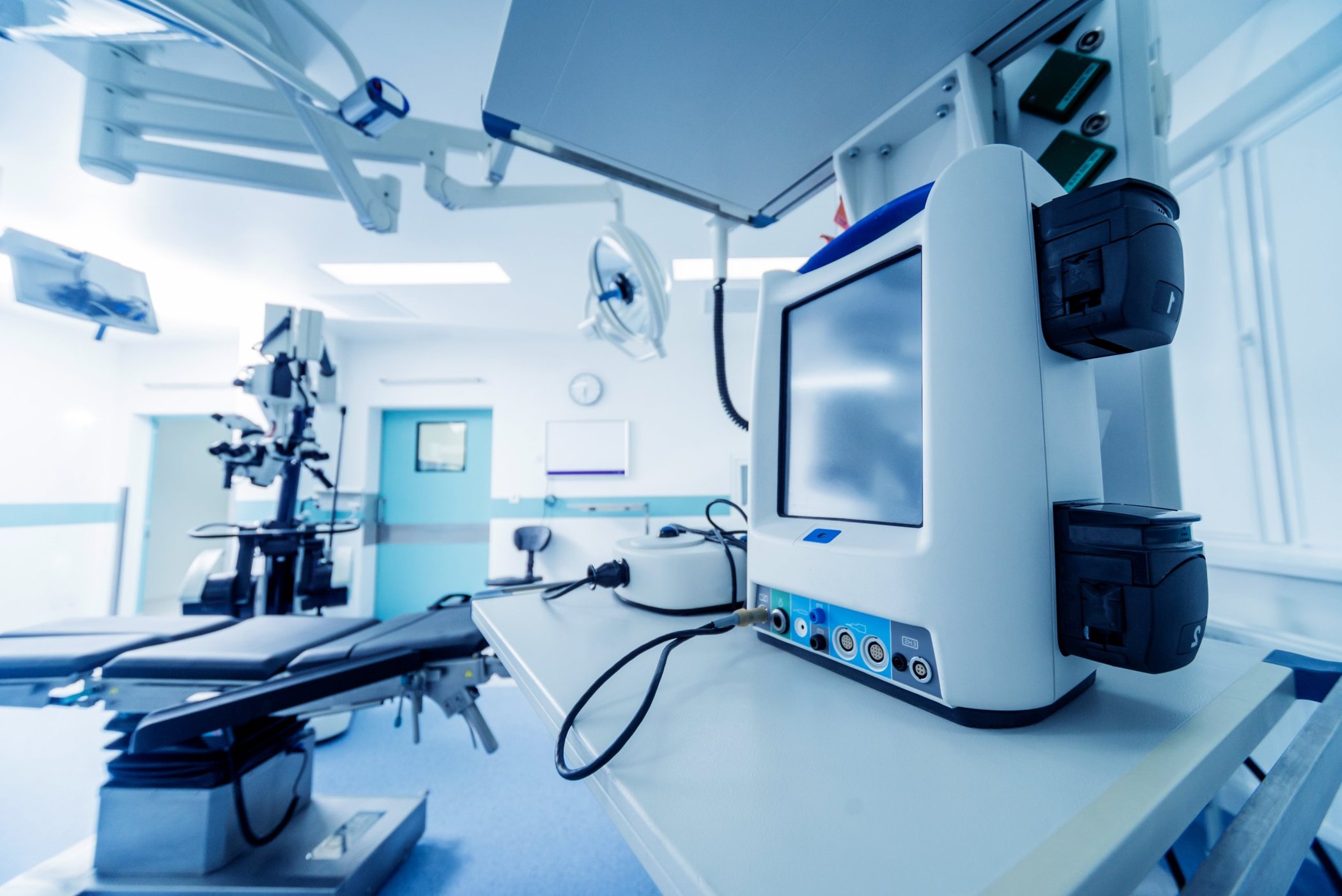
Anaesthesia at a glance
- Techniques4
- Anaesthetic consultationAt least 48 hours before
- Validity1 month
- Fasting6 hours (solids), 2 hours (clear fluids)
- Given byAn anaesthetist (sedation, general)
- WherePractice or Clinique Oxford
In cosmetic surgery, anaesthesia ranges from a simple anaesthetic cream, for an injection, to general anaesthesia, for a long or extensive procedure. In between: local anaesthesia, and local anaesthesia with intravenous sedation. Simple procedures are carried out at the practice; sedation and general anaesthesia take place at Clinique Oxford, given by an anaesthetist, after a compulsory consultation at least 48 hours beforehand. The choice is made together, depending on the procedure, your health and your preferences.
The choice of anaesthesia is made with the surgeon and the anaesthetist.
Which anaesthesia for which procedure?
| Anaesthetic cream | Local anaesthesia | Local with sedation | General anaesthesia | |
|---|---|---|---|---|
| Given by | Surgeon | Surgeon | Anaesthetist and surgeon | Anaesthetist |
| Where | Practice | Practice or clinic | Clinic | Clinic |
| Consciousness | Normal | Normal | Drowsy, few memories | Fully asleep |
| Examples | Injections, microneedling, light chemical peels | Minor procedures, skin lesions, scar revisions | Eyelids, ears, localised liposuction, some breast augmentations | Breasts (reduction, lift), tummy tuck, body lift, extensive facelift |
| Recovery | Immediate | Immediate | Quick, day surgery | A few hours; day surgery or one night |
Anaesthetic cream
A cream containing local anaesthetics (lidocaine and prilocaine, for example Emla® or Anesderm®) is applied to the skin one to two hours before the treatment, under a film that helps it penetrate. It is enough for superficial treatments: hyaluronic acid or botulinum toxin injections, microneedling, light chemical peels. It is well tolerated; precautions are needed over large areas, during pregnancy or with certain blood disorders.
Local anaesthesia
A local anaesthetic (lidocaine, or ropivacaine for a longer effect) is injected into the area to be operated on: it blocks the small sensory nerves, and pain no longer reaches the brain. The effect begins within a few minutes and lasts 1 to 2 hours for lidocaine, several hours for ropivacaine. Adrenaline is often added: it limits bleeding and prolongs the effect.
Local anaesthesia alone is suitable for minor procedures: removal of skin lesions (moles, cysts), scar revisions, some eyelid or ear surgery, labiaplasty. Local anaesthetics are very safe when the maximum dose, calculated according to body weight, is respected; true allergies are exceptional. Adrenaline requires precautions in people with heart disease.
Tumescent anaesthesia, used in liposuction, is a variant: a large volume of saline containing a very dilute local anaesthetic and adrenaline is infiltrated into the fat before suction; it reduces bleeding and pain after the procedure, including under general anaesthesia.
Local anaesthesia with sedation
Formerly called neuroleptanalgesia, it combines local anaesthesia given by the surgeon with drugs given through a drip by the anaesthetist (most often propofol, sometimes combined with a short-acting painkiller). You breathe on your own, you are drowsy but can respond, and you generally have few memories of the procedure. The anaesthetist stays with you throughout and adjusts the doses.
Compared with general anaesthesia, you wake up faster, nausea is less frequent and you usually go home the same day. It is suitable for procedures of moderate length on a limited area: eyelid surgery, prominent ears, localised liposuction, mini facelift, and some breast augmentations.
General anaesthesia
It is reserved for longer, more extensive or combined procedures: breast reduction and breast lift, tummy tuck, body lift, extensive face and neck lift, large-volume liposuction, revision rhinoplasty, combined procedures. It is given by an anaesthetist, assisted by a nurse anaesthetist, in the operating theatre at Clinique Oxford.
- Sleep: the drugs are given through a drip, sometimes with an anaesthetic gas; they ensure sleep, absence of pain and, if needed, muscle relaxation. The depth of anaesthesia can be monitored by a sensor placed on the forehead, to adjust the doses and help you wake up quickly.
- Breathing: it is taken over by a ventilator, using a laryngeal mask placed in the throat or an intubation tube in the windpipe (trachea), depending on the procedure and your medical history.
Nerve blocks and pain after the procedure
For breast and abdominal surgery, the anaesthetist most often combines general anaesthesia with a nerve block: a long-acting local anaesthetic is placed, under ultrasound guidance, next to the nerves of the area operated on, once the patient is asleep. Depending on the procedure: pectoral or serratus plane blocks for the breasts, TAP block for the abdomen, paravertebral block or ESP (erector spinae plane) block. The area remains less sensitive for several hours, often until the next day: fewer opioids, less nausea, getting up earlier.
Pain is then treated by combining several drugs that act in different ways, at low doses: paracetamol at regular times, an anti-inflammatory when the procedure allows, a stronger painkiller if needed, an opioid only in the first few hours and rarely. Together with getting up, eating and walking early, this is the principle of enhanced recovery after surgery (ERAS; RAAC in French).
The anaesthetic consultation
Compulsory since the decree of 5 December 1994, it takes place at least 48 hours before the procedure, with one of the clinic’s anaesthetists; it is valid for 1 month. The anaesthetist:
- takes your medical history, your treatments, your allergies, your use of tobacco, alcohol or other substances, and any problems with anaesthesia in your family;
- examines you (heart, lungs, mouth opening and neck, to plan ventilation) and, if needed, asks for tests or a specialist opinion;
- explains the possible techniques, their benefits and their risks, and answers your questions;
- sets the protocol: type of anaesthesia, any medication for anxiety, preventive antibiotic, prevention of deep vein thrombosis (phlebitis), fasting and medication instructions.
On the day of the procedure, a pre-anaesthetic visit allows the anaesthetist to check that nothing new has happened since the consultation.
Instructions before the procedure
- Fasting: solid food stopped 6 hours before; clear fluids (water, tea, black coffee without milk) allowed until 2 hours before, unless the anaesthetist instructs otherwise.
- Smoking: stop completely at least 1 month before, ideally 6 to 8 weeks, and for at least 1 month after.
- Medication: anticoagulants, antiplatelet drugs and certain blood pressure treatments are adjusted according to the anaesthetist’s instructions; do not stop anything on your own.
- Skin: shower with antiseptic soap the evening before and in the morning.
What are the risks?
In a healthy person, anaesthesia is very safe today, thanks to continuous monitoring (oxygen levels, breathing, heart), short-acting drugs and ultrasound guidance for nerve blocks. The most frequent side effects are nausea or vomiting after waking up, largely prevented by drugs given during the anaesthetic, a temporary sore throat after intubation, and headaches. Serious cardiac, respiratory or allergic complications are exceptional. They are explained at the consultation and in an information document given to you by the anaesthetist.
Frequently asked questions
Which anaesthesia for my cosmetic surgery procedure?
It depends on the procedure, its length and your health: anaesthetic cream for injections, local anaesthesia for minor procedures, local anaesthesia with sedation for limited procedures, general anaesthesia for long or extensive procedures. The choice is made with the surgeon and the anaesthetist.
Am I asleep during sedation?
You are drowsy but not deeply asleep: you breathe on your own and can respond. Most patients have few memories of the procedure.
Who gives the anaesthetic for a cosmetic surgery or aesthetic medicine procedure?
The surgeon for anaesthetic cream and local anaesthesia; an anaesthetist from Clinique Oxford for sedation and general anaesthesia.
When does the anaesthetic consultation take place?
At least 48 hours before the procedure; it is valid for 1 month. It is compulsory whenever sedation or general anaesthesia is planned.
Can I drink before the anaesthetic?
Yes, clear fluids (water, tea, black coffee without milk) until 2 hours before, unless instructed otherwise. Solid food is stopped 6 hours before.
Will I be in pain after a cosmetic surgery procedure?
Pain is prevented by a combination of several drugs and, for the breasts and abdomen, most often by a nerve block that numbs the area for several hours.
Sources
- Decree no. 94-1050 of 5 December 1994 on the technical operating conditions of healthcare facilities with regard to the practice of anaesthesia (articles D. 6124-91 et seq. of the French Public Health Code).
- Société française d’anesthésie et de réanimation (SFAR, French Society of Anaesthesia and Intensive Care), guidelines on pre-operative fasting and on enhanced recovery after surgery.